RNA Sequencing
Introduction to RNA sequencing
RNA sequencing (RNA-Seq) is revolutionizing the study of the transcriptome. A highly sensitive and accurate tool for measuring expression across the transcriptome, it is providing scientists with visibility into previously undetected changes occurring in disease states, in response to therapeutics, under different environmental conditions, and across a wide range of other study designs.
RNA-Seq allows researchers to detect both known and novel features in a single assay, enabling the identification of transcript isoforms, gene fusions, single nucleotide variants, and other features without the limitation of prior knowledge.1,2

Visualize the unknown with RNA-Seq
Learn how to start your first RNA-Seq project.
Benefits of RNA Sequencing
RNA-Seq with next-generation sequencing (NGS) is increasingly the method of choice for scientists studying the transcriptome.
- Covers an extremely broad dynamic range
- Provides sensitive, accurate measurement of gene expression
- Captures both known and novel features; does not require predesigned probes
- Generates both qualitative and quantitative data
- Reveals the full transcriptome, not just a few selected transcripts
- Can be applied to any species, even if a reference sequence is not available
RNA Sequencing Empowers Transcriptomics
Learn how RNA-Seq is advancing transcriptome research in various fields, and how gene regulation studies can provide complementary information.
Download eBook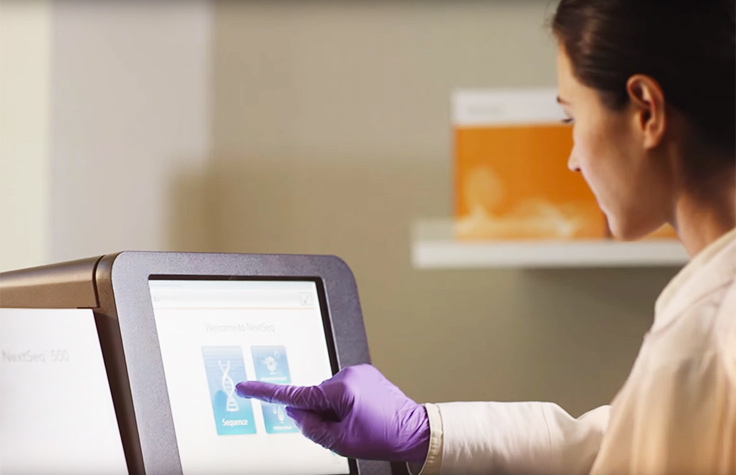
New To NGS?
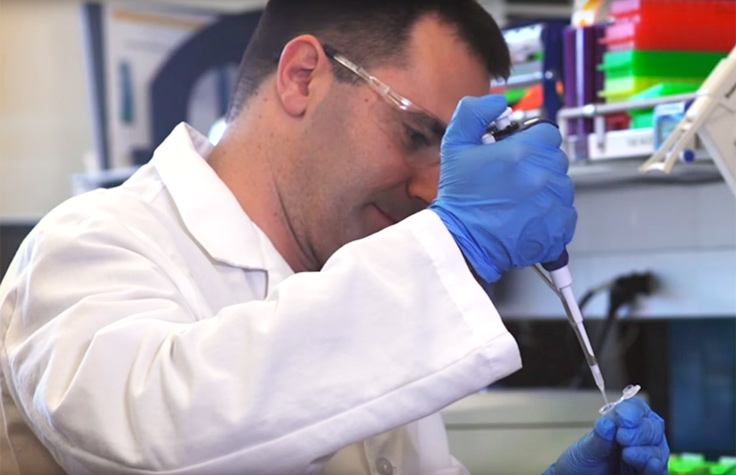
Find out how Illumina NGS technology works and what types of experiments it enables.
How can I use NGS to analyze RNA?
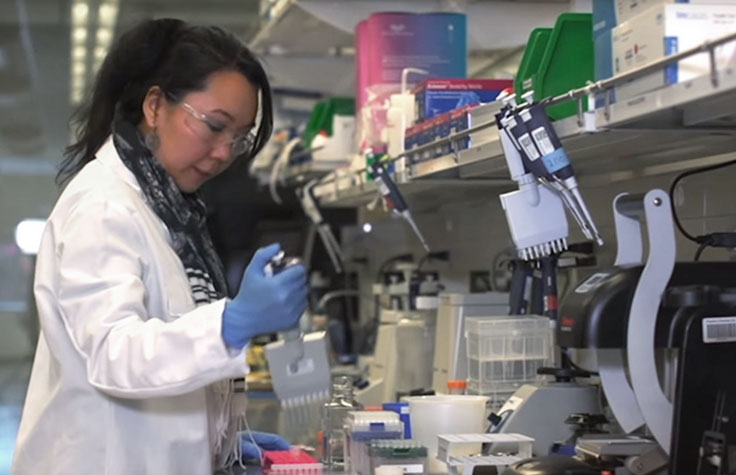
Learn about popular RNA-Seq methods and how they differ. Key methods include:
How can I apply RNA-Seq?
Study gene expression and transcriptome changes with cancer RNA-Seq.
Analyze gene expression in complex microbial communities with metatranscriptomics.
Study drug response RNA biomarkers.

RNA sequencing methods guide
This guide covers a wide variety of RNA-Seq methods and provides solutions for profiling RNA, from targeted panels to the whole transcriptome. Illumina RNA sequencing workflows seamlessly integrate library prep, sequencing, and data analysis to support transcriptome research.
Download guideAnalyze and visualize your RNA-Seq data
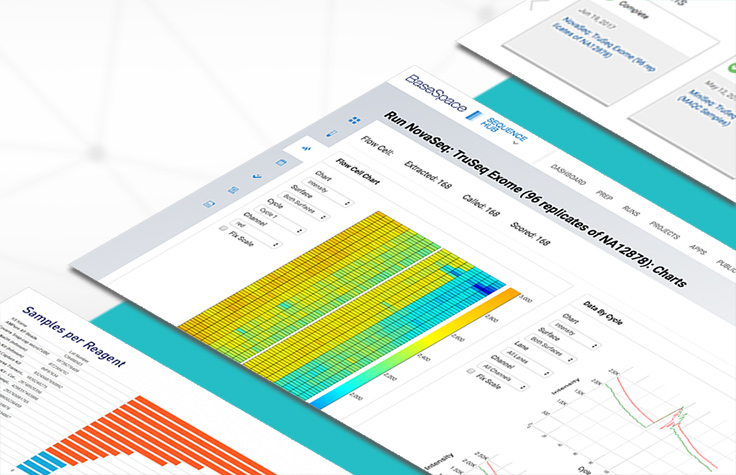
Illumina Connected Multiomics offers convenient visualization and analysis of the high volumes of data generated by RNA-Seq experiments. Researchers of all skill levels are empowered to explore genomic data quicker and easier than ever before.
- Intuitive interface
- Powerful statistics
- Interactive visualizations
Learn more about RNA-Seq data analysis

Library prep for RNA sequencing
Advances in RNA-Seq library prep are revolutionizing the study of the transcriptome. Our enhanced RNA sequencing library prep portfolio spans multiple types of sequencing studies. These solutions offer rapid turnaround time, broad study flexibility, and sequencing scalability.
Learn more about RNA library prep
Plan your RNA-Seq experiments
- RNA-Seq considerations (Illumina Knowledge article): Learn about read length and depth requirements for RNA-Seq and find experimental design resources.
- Sequencing Coverage Calculator: Determine the reagents and sequencing runs needed to arrive at the desired coverage for your experiment.
- Intro to RNA-Seq training video series: Part I, Part II, and Part III
Frequently Purchased Together
Featured RNA Sequencing Articles
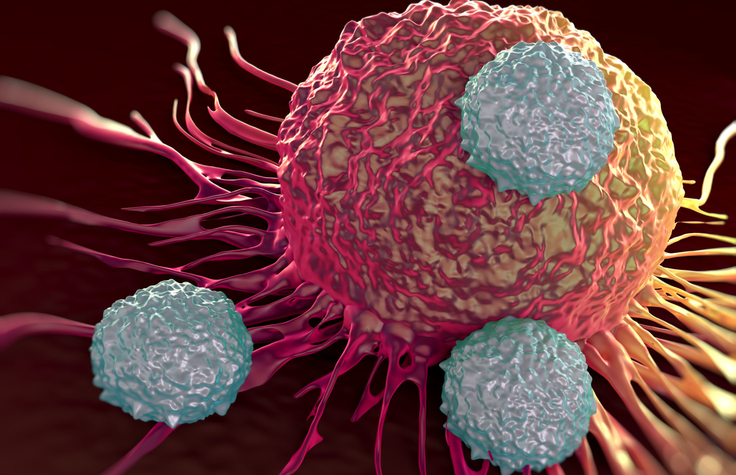
Precision Immunotherapies Using Tumor-Specific HLA Ligands
RNA-Seq and HLA typing are increasing the power and efficiency of a target discovery platform.
Read Customer Interview
The Time Is Now for Microbiome Studies
Transcriptomics and whole-genome shotgun sequencing provide researchers and pharmaceutical companies with data to refine drug discovery and development.
Read Customer Interview
Cell-Free RNA as a Noninvasive Biomarker
This research highlights the broad potential of circulating cell-free RNA sequencing for biomarker discovery and noninvasive health monitoring.
Read Article
Empowering access for groundbreaking genomic discoveries
Illumina benchtop sequencing systems are making NGS technology more accessible to laboratories worldwide. Learn how these systems provide the speed, power, and flexibility to make breakthroughs in microbiology, cancer research, and more. The MiSeq i100 Series or NextSeq 1000 and NextSeq 2000 Systems can help make your NGS research goals within reach.
Download eBookFeatured products
Illumina Stranded mRNA Prep
A simple, scalable, cost-effective, rapid single-day solution for analyzing the coding transcriptome leveraging as little as 25 ng input of standard (non-degraded) RNA.
View Product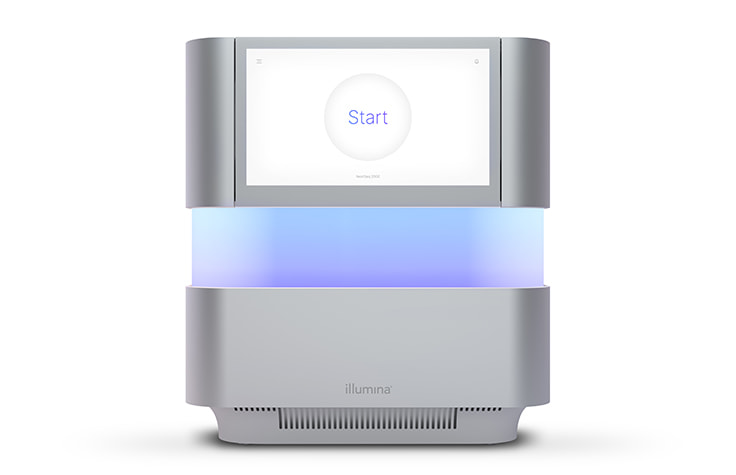
NextSeq 1000 & 2000 Systems
These cost-efficient, user-friendly, mid-throughput benchtop sequencers offer extreme flexibility to support new and emerging applications.
View Product
RNA-Seq FAQ
Interested in receiving newsletters, case studies, and information on genomic analysis techniques?
Enter your email address.
Additional resources

Workflows for RNA Sequencing Guide
Learn about Illumina solutions for next-generation RNA sequencing applications.

Optimize your miRNA research accuracy and efficiency
Illumina miRNA Prep delivers a rapid, gel-free workflow for miRNA library preparation, improving sequencing accuracy by streamlining the process and minimizing artifacts.
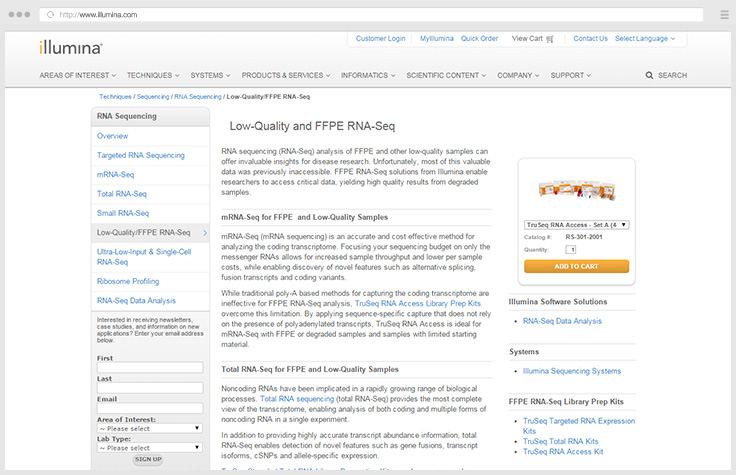
RNA-Seq of Low-Quality and FFPE Samples
RNA-Seq of formalin-fixed, paraffin-embedded (FFPE) and other low-quality samples offers valuable insights for disease research.

Gene Target Identification
Uncover gene targets and pathways tied to disease.
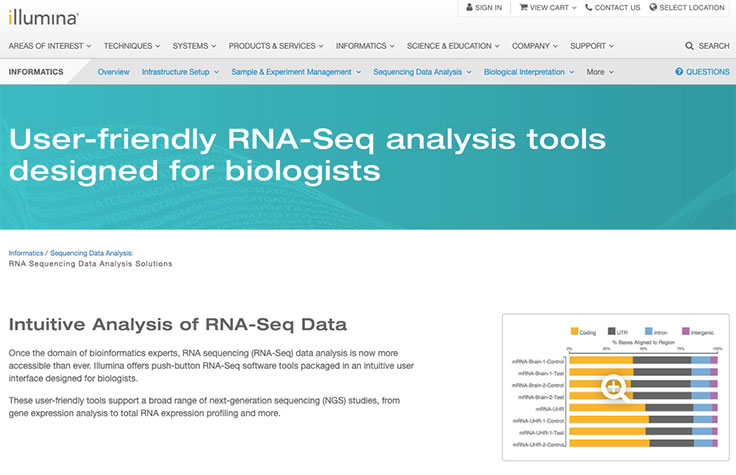
RNA-Seq Data Analysis
User-friendly software tools simplify RNA-Seq data analysis for biologists, regardless of bioinformatics experience.
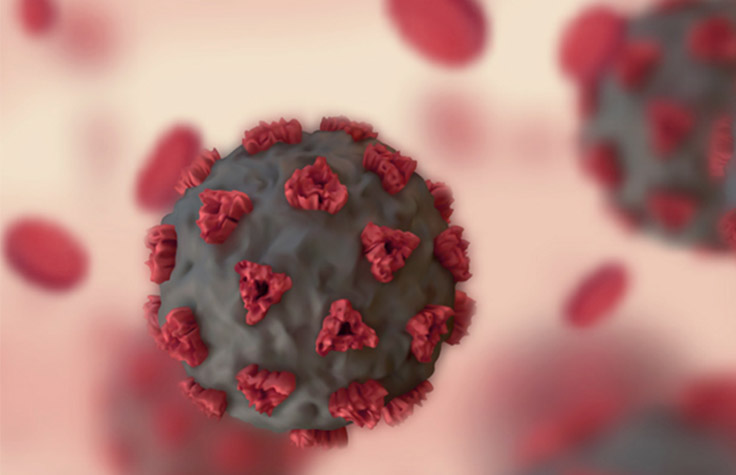
COVID-19 Host Risk and Response
Identify genetic variants linked to COVID-19 disease severity and profile the immune response to SARS-CoV-2 with NGS and microarrays.
References
- Wang Z, Gerstein M, Snyder M. RNA-Seq: a revolutionary tool for transcriptomics. Nat Rev Genet. 2009;10:57–63.
- Wilhelm BT, Landry JR. RNA-Seq—quantitative measurement of expression through massively parallel RNA sequencing. Methods. 2009;48:249–57.