Cancer research kits and reagents
Find sequencing and microarray kits that enable researchers to analyze genomic alterations in cancer samples.
Find resources to customize your research solutions

Advancements in research are driving breakthroughs in cancer. With the high-throughput capabilities of next-generation sequencing (NGS) to rapidly and accurately obtain large volumes of data, scientists are making discoveries to understand how cancers arise, evolve, and respond to treatments. NGS has made countless contributions to cancer research beyond genomic sequencing alone. Today, NGS allows researchers to understand biological events at the transcriptomic, epigenomic, and proteomic levels for novel applications such as single-cell studies, liquid biopsies, immunotherapies, and more.1
Single-cell sequencing allows researchers to understand drivers of cancer at the DNA, RNA, epigenetic, and protein levels (individually or as multiomic experiments) with single-cell resolution.
Liquid biopsy involves the analysis of genetic material (eg, cell-free DNA, circulating tumor cells) from bodily fluids (eg, blood, urine) to detect and monitor cancer-related genetic alterations. Liquid biopsies offer a less invasive alternative to traditional tissue biopsies.
Cancer biomarkers can offer information about cancer activity and risks. NGS can simultaneously profile hundreds of cancer biomarkers, enabling actionable insights for cancer research.
Immuno-oncology is an emerging field where NGS plays a significant role in analyzing immunotherapy response factors, discovering biomarkers, and applying genomics for personalized immunotherapy. NGS can efficiently assess the tumor microenvironments for immune marker expression in response to tumor growth, treatments, and more while simultaneously profiling thousands of gene expression targets.2-4
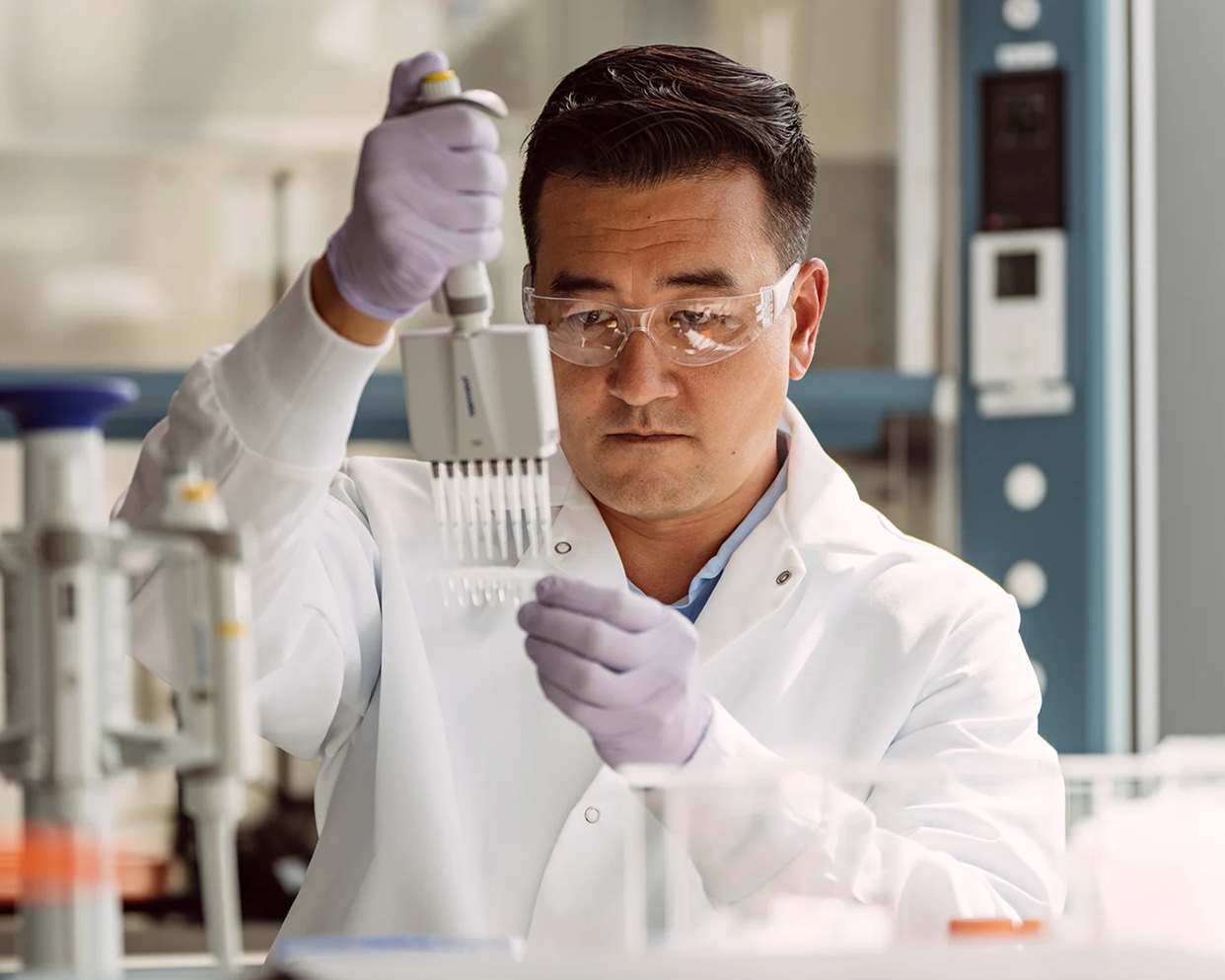
Learn about NGS-based cancer sequencing methods, which provide more information in less time than single-gene and array-based approaches.
The Cancer Research Methods Guide is a 40+ page resource with simple, comprehensive workflows for a broad range of cancer research applications. This guide includes single-cell sequencing, spatial sequencing, methylation profiling, multiomics, cell-free RNA sequencing, and more.
Cancer research kits and reagents
Find sequencing and microarray kits that enable researchers to analyze genomic alterations in cancer samples.
Cancer whole-genome sequencing
Discover novel features and benefits with whole-genome sequencing for cancer research.
Explore our line of NGS platforms. View benchtop and production-scale NGS sequencer comparison tables and find tools designed to help you choose the right platform for your needs.
On this page, get an overview of cancer research and explore methods for a multiomic approach to study this complex disease.
Redefining NGS in cancer research
In this webinar, experts cover topics in NGS as well as challenges and achievements in cancer research. They also detail how multiomics can be used to improve insights into this complex disease.
Cancer research feature articles
On this page, explore featured articles on cancer research from scientists worldwide.
High sensitivity enrichment assay for somatic variant detection
Download this poster showing improved sensitivity for small nucleotide variants with reduced DNA input requirements and reduced hands–on time.
Interested in getting more information on cancer sequencing methods?