RNA sequencing (RNA-Seq)

Study gene expression and get a high-resolution view of coding and noncoding regions of the transcriptome for a deeper understanding of biology

Profile picture of a single male scientist holding up a flow cell in front of his face and inspecting it.

Introduction to RNA sequencing

RNA sequencing (RNA-Seq) is revolutionizing the study of the transcriptome. A highly sensitive and accurate tool for measuring expression across the transcriptome, it is providing scientists with visibility into previously undetected changes occurring in disease states, in response to therapeutics, under different environmental conditions, and across a wide range of other study designs.

RNA-Seq allows researchers to detect both known and novel features in a single assay, enabling the identification of transcript isoforms, gene fusions, single nucleotide variants, and other features without the limitation of prior knowledge.1,2


Benefits of RNA sequencing

RNA-Seq with next-generation sequencing (NGS) is increasingly the method of choice for scientists studying the transcriptome.

Covers an extremely broad dynamic range

Provides sensitive, accurate measurement of gene expression

Captures both known and novel features; does not require predesigned probes

Generates both qualitative and quantitative data

Reveals the full transcriptome, not just a few selected transcripts

Can be applied to any species, even if a reference sequence is not available

RNA-Seq empowers transcriptomics eBook cover

RNA-Seq empowers transcriptomics

Learn how RNA-Seq is advancing transcriptome research in various fields, and how gene regulation studies can provide complementary information.

New to NGS?

Find out how NGS technology works and what types of experiments it enables.

How can I apply RNA-Seq?

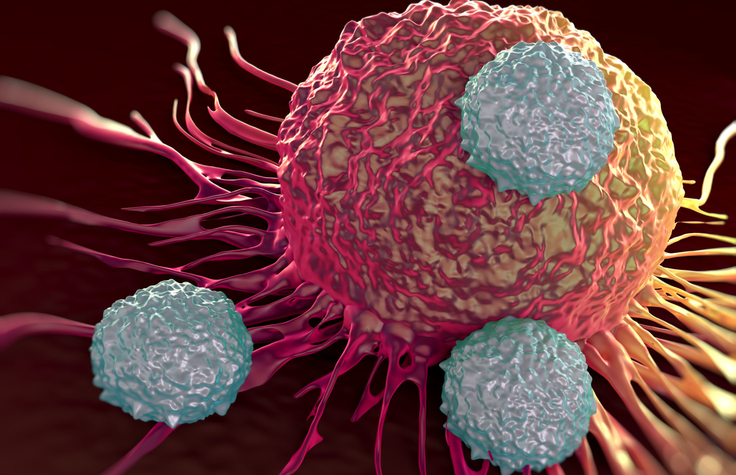
Study gene expression and transcriptome changes with cancer RNA-Seq.

Analyze gene expression in complex microbial communities with metatranscriptomics.

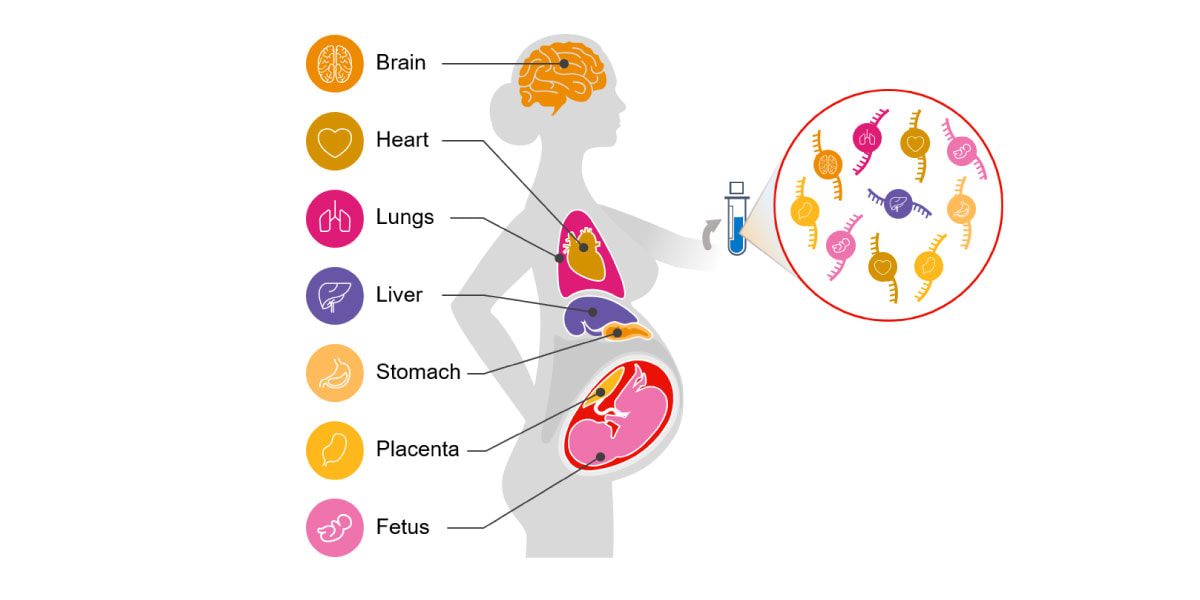
Accelerate drug discovery research with transcriptomic and multiomic insights.

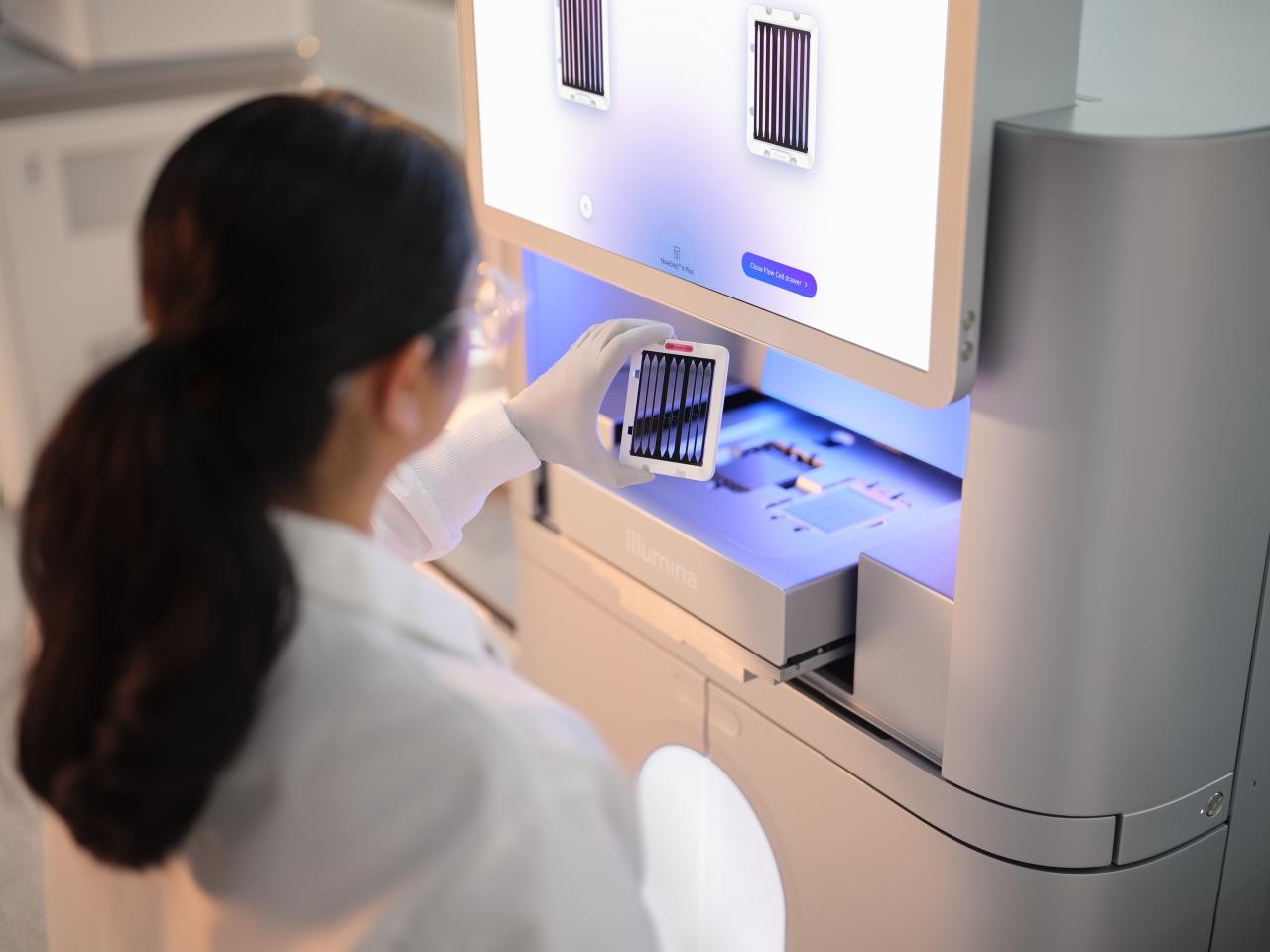
Back view of a female scientist examining a second 25B flow cell cartridge before inserting into a NovaSeq X drawer.

How can I use NGS to analyze RNA?

Learn about popular RNA-Seq methods and how they differ. Key methods include:

mRNA sequencing

Sensitively and accurately quantify gene expression, identify known and novel isoforms in the coding transcriptome, detect gene fusions, and measure allele-specific expression.

Targeted RNA sequencing

Analyze gene expression in a focused set of genes of interest. Targeted RNA-Seq can be achieved via either enrichment or amplicon-based approaches.

Single-cell RNA sequencing

Study cellular differences often masked by bulk sampling, and explore high- and low-throughput single-cell RNA sequencing methods.

Spatial transcriptomics

Map transcriptional activity within structurally intact tissue to unravel complex biological interactions using RNA-Seq.

Total RNA sequencing

Accurately measure gene and transcript abundance and detect both known and novel features in coding and multiple forms of noncoding RNA.

Small RNA sequencing

Isolate and sequence small RNA species, such as microRNA, to understand the role of noncoding RNA in gene silencing and posttranscriptional regulation of gene expression.

Pipetting close up

RNA sequencing methods guide

This guide provides solutions for profiling RNA, from targeted panels to the whole transcriptome. Illumina RNA-Seq workflows integrate library prep, sequencing, and data analysis to support transcriptome research.

Analyze and visualize your RNA-Seq data

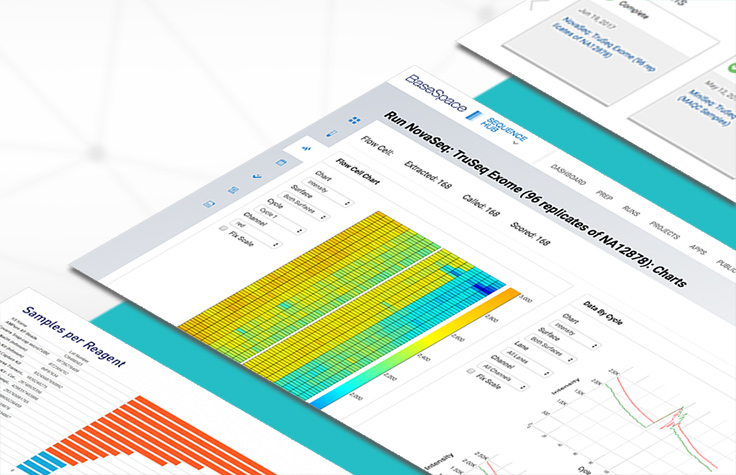
Illumina Connected Multiomics offers convenient visualization and analysis of the high volumes of data generated by RNA-Seq experiments. Researchers of all skill levels are empowered to explore genomic data quicker and easier than ever before.

  • Intuitive interface

  • Powerful statistics

  • Interactive visualizations

Library prep for RNA sequencing

Advances in RNA-Seq library prep are revolutionizing the study of the transcriptome. Our enhanced RNA sequencing library prep portfolio spans multiple types of sequencing studies. These solutions offer rapid turnaround time, broad study flexibility, and sequencing scalability.

Female scientist holding a single pipette in one hand and a tube in the other.

Plan your RNA-Seq experiments

Intro to RNA-Seq training video series

Thumbnail

Intro to Illumina RNA library prep

Introduction to Illumina RNA library preparation workflows

Thumbnail

RNA library prep best practices

Best practices for Illumina RNA library prep protocols

Thumbnail

Intro to RNA-Seq analysis

Introduction to RNA-Seq analysis options

Featured RNA sequencing articles

The time Is now for microbiome studies

Transcriptomics and whole-genome shotgun sequencing provide researchers and pharmaceutical companies with data to refine drug discovery and development.

Back view of a female scientist examining a second 25B flow cell cartridge before inserting into a NovaSeq X drawer.

Empowering access for groundbreaking genomic discoveries

Illumina benchtop sequencing systems are making NGS technology more accessible to laboratories worldwide. Learn how these systems provide the speed, power, and flexibility to make breakthroughs in microbiology, cancer research, and more.

Featured products

Illumina Rapid mRNA Prep

A fast, simple mRNA library prep workflow for coding transcriptome analysis, combining cDNA synthesis and adapter tagging into a single step.

NextSeq 1000 & 2000 Systems

These cost-efficient, user-friendly, mid-throughput benchtop sequencers offer extreme flexibility to support new and emerging applications.

DRAGEN RNA Pipeline

The DRAGEN RNA app analyzes RNA transcripts with multiple alignment modes and detects gene fusion breakpoints.

FAQ

Yes, RNA-Seq is a well-established and accepted method for quantifying gene expression. To see how RNA-Seq compares against microarrays and quantitative PCR (qPCR), view the pages below:

Transcriptomics broadly refers to the study of RNA related to its expression levels, function, structure, and regulation. Transcriptomics research may involve use of various technologies such as qRT-PCR, next-generation sequencing, and/or microarrays. In contrast, RNA-Seq is more specific and refers to a next-generation sequencing approach utilized to study both the sequence and quantity of RNA.

RNA sequencing depth is the ratio of the total number of bases obtained by sequencing to the size of the genome or the average number of times each base is measured in the genome.

Bulk RNA-Seq is a method that analyzes pooled RNA from cells or tissues.

RNA sequencing strandedness allows researchers to determine which DNA strand (sense or antisense) a transcript came from. Compared to regular RNA sequencing methods, stranded RNA sequencing can find novel transcripts, distinguish transcripts from overlapping genes, find antisense sequences, and annotate genes.

Visit the mRNA sequencing page for more information.

In mRNA library preparation methods, mRNA is selected via oligo dT beads from total RNA, so libraries are prepared only from polyadenylated transcripts from samples. In total RNA workflows, rRNA and certain other abundant transcripts are depleted from samples, and the remaining RNAs are prepared into sequencing libraries, including polyadenylated and non-polyadenylated RNAs. In enrichment workflows, libraries are prepared from all RNA samples. These libraries are subsequently enriched using an oligo probe panel. Panels can target full coding exomes, transcripts associated with specific diseases, RNA from pathogens, or custom targets. For more information on these workflows, visit the following pages:

Extracted RNA must be purified and free of contaminants. Illumina recommends following the guidelines provided in your particular RNA isolation kit and selecting an appropriate protocol for your sample type.
Here are some examples of RNA input ranges for popular Illumina library prep kits:

RNA-Seq is compatible with all Illumina sequencers. Depending on the library preparation kit, the application, and the data needs, higher or lower throughput sequencers may be more appropriate.

Explore all Illumina sequencing platforms

Contact your sales representative for more information.

Yes, RNA-Seq library preparation methods can be automated. Illumina partners with leading vendors to provide automated protocols for a broad range of Illumina library prep kits. Visit our library prep automation page for more information.

Yes, proper sequencing library quality control (QC) is crucial for a successful RNA-Seq run. Illumina offers QC solutions depending on your application. See our library quantification and QC reference guide for detailed information.

/ Results

Additional resources

RNA-Seq data analysis

User-friendly software tools simplify RNA-Seq data analysis for biologists, regardless of bioinformatics experience.

A tale of two RNA library prep kits

A critical comparison between two popular library prep kits reveals information of interest to researchers conducting RNA sequencing studies.

Speak to a specialist

Talk to an expert to learn more about RNA sequencing solutions.

References

  1. Wang Z, Gerstein M, Snyder M. RNA-Seq: a revolutionary tool for transcriptomics. Nat Rev Genet. 2009;10:57–63.
  2. Wilhelm BT, Landry JR. RNA-Seq—quantitative measurement of expression through massively parallel RNA sequencing. Methods. 2009;48:249–57.