Environmental Metagenomics
Overview of Environmental Metagenomics
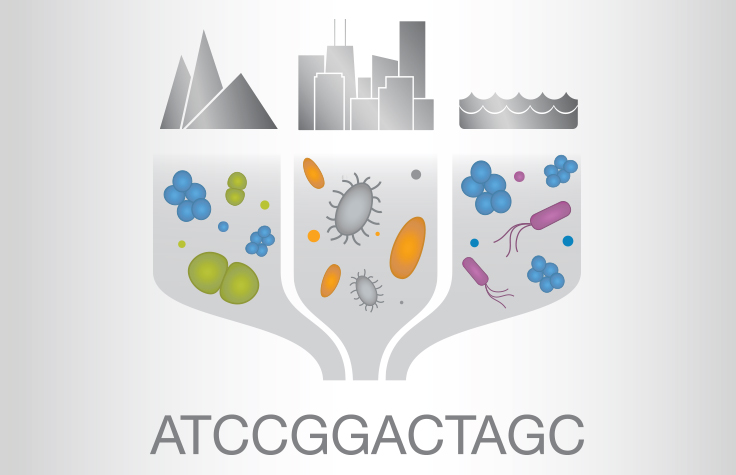
Environmental metagenomics is the study of organisms in a microbial community based on analyzing the DNA within an environmental sample.
Examples include profiling microbial populations in water samples taken from deep ocean vents or in soil samples from human-made environments like active mineral mines. Environmental metagenomics study data are used for agricultural microbiome analysis, ecological remediation, or other biological investigations.
Next-Generation Sequencing for Environmental Metagenomics
Environmental metagenomics as a field was extremely limited prior to the advent of next-generation sequencing (NGS). NGS provides researchers the capability to profile entire microbial communities from complex samples, discover new organisms, and explore the dynamic nature of microbial populations under changing conditions.
Common NGS methods for environmental metagenomics studies include:
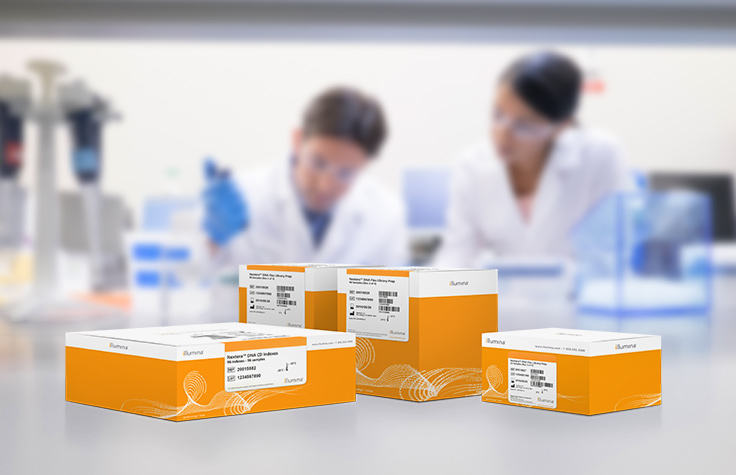
Get the Illumina DNA Prep Advantage
A fast, integrated workflow for a wide range of applications, from human whole-genome sequencing to amplicons, plasmids, and microbial species.
Earth BioGenome Project Builds Foundation to Sequence Life
The Earth BioGenome Project is a confederated network of partner organizations and affiliated projects that have a common goal of sequencing and annotating the genomes of all 1.5 million known species of eukaryotes on the planet in 10 years.
Read Article
Environmental Metagenomics Research Stories
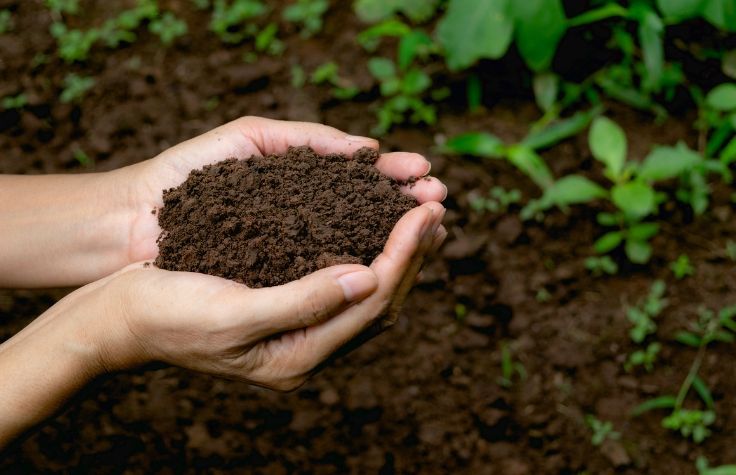
Driving Insights Through Microbiome Profiling
This metagenomic shotgun sequencing workflow enables accurate DNA detection from soil.
Read Article
Sailing the Seven Seas for an Epic Plankton Study
An epic ocean expedition sequenced salt water samples from around the globe to survey plankton diversity in marine ecosystems.
Read InterviewSubway Metagenomics Research
Learn about the use of NGS in efforts to map Stockholm’s subway microbiome and study the metagenome of urban environments in more than 67 cities worldwide.
Read Article
Environmental Metagenomics and eDNA
Environmental DNA sequencing is a rapidly emerging method for studying biodiversity and monitoring ecosystem changes. For some sample types, using a combination of environmental DNA sequencing approaches can help uncover the full breadth of diversity in an ecological sample, including both bacterial and eukaryotic species.
Learn More
Interested in receiving newsletters, case studies, and information on microbial genomics? Enter your email address.
Additional Resources
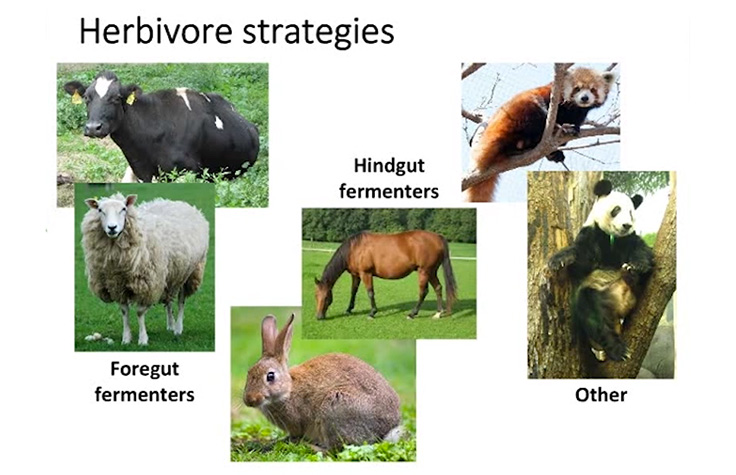
Researching Microbial Symbiosis
University of Wisconsin-Madison researchers explore a microbe-cycling hypothesis with tree sloths and paired-end 16S amplicon sequencing.

Lessons from the H3MP Project
Listen to Dr. Jack Gilbert discuss microbiology implications for home, hospital, and human (H3) interactions.
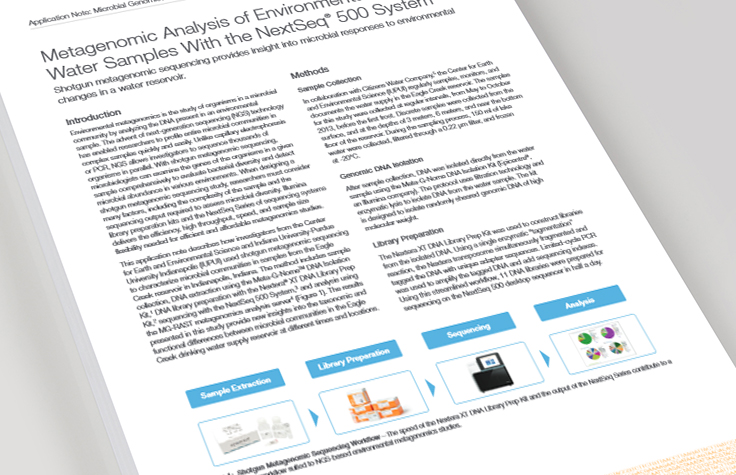
Metagenomic Analysis of Environmental Samples
Shotgun metagenomic sequencing with the NextSeq 500 System provides insight into microbial responses to environmental changes in a water reservoir.
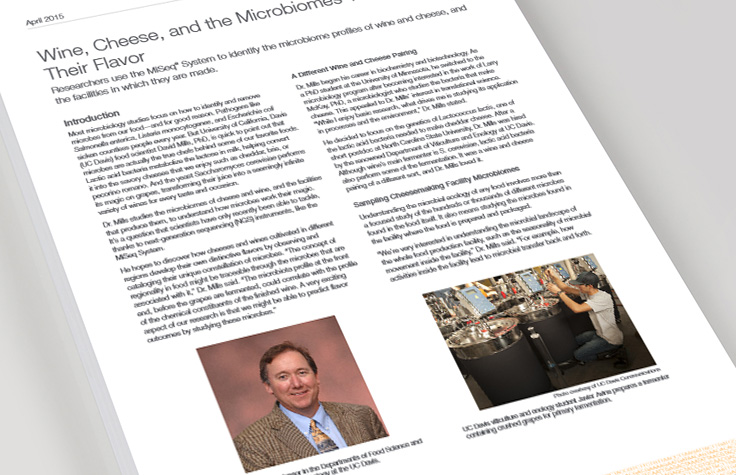
Metagenomics of Wine and Cheese Facilities
Researchers use NGS to identify and understand the constellation of microbes that deliver flavor to cheese and wine.
References
- McLean JS, Lombardo MJ, Ziegler MG, Novotny M, Yee-Greenbaum J, et al. (2013) Genome of the pathogen Porphyromonas gingivalis recovered from a biofilm in a hospital sink using a high-throughput single-cell genomics platform. Genome Res 23:867–77.
- Schofield MM, Sherman DH. (2013) Meta-omic characterization of prokaryotic gene clusters for natural product biosynthesis. Curr Opin Biotechnol 24:1–8.
- Wilson MC, Piel J. (2013) Metagenomic approaches for exploiting uncultivated bacteria as a resource for novel biosynthetic enzymology. Chem Biol 20:636–47.