Whole-genome sequencing for rare disease
Whole-genome sequencing (WGS) provides high coverage of the human genome to facilitate rare disease research.
Structural variations (SVs) are large alterations in the genome ≥ 50 base pairs (bp) in length. Consequently, SVs can alter genome structure, copy number, and the positions of DNA segments in the genome, potentially impacting gene function and regulation. The main types of structural variants include deletions, insertions, duplications, inversions, and translocations. These genomic alterations are often implicated in diseases and cancer.1 Illumina offers a highly simplified next-generation sequencing (NGS) research solution that streamlines traditional library prep steps and provides comprehensive structural variant detection, visualization, and reporting.
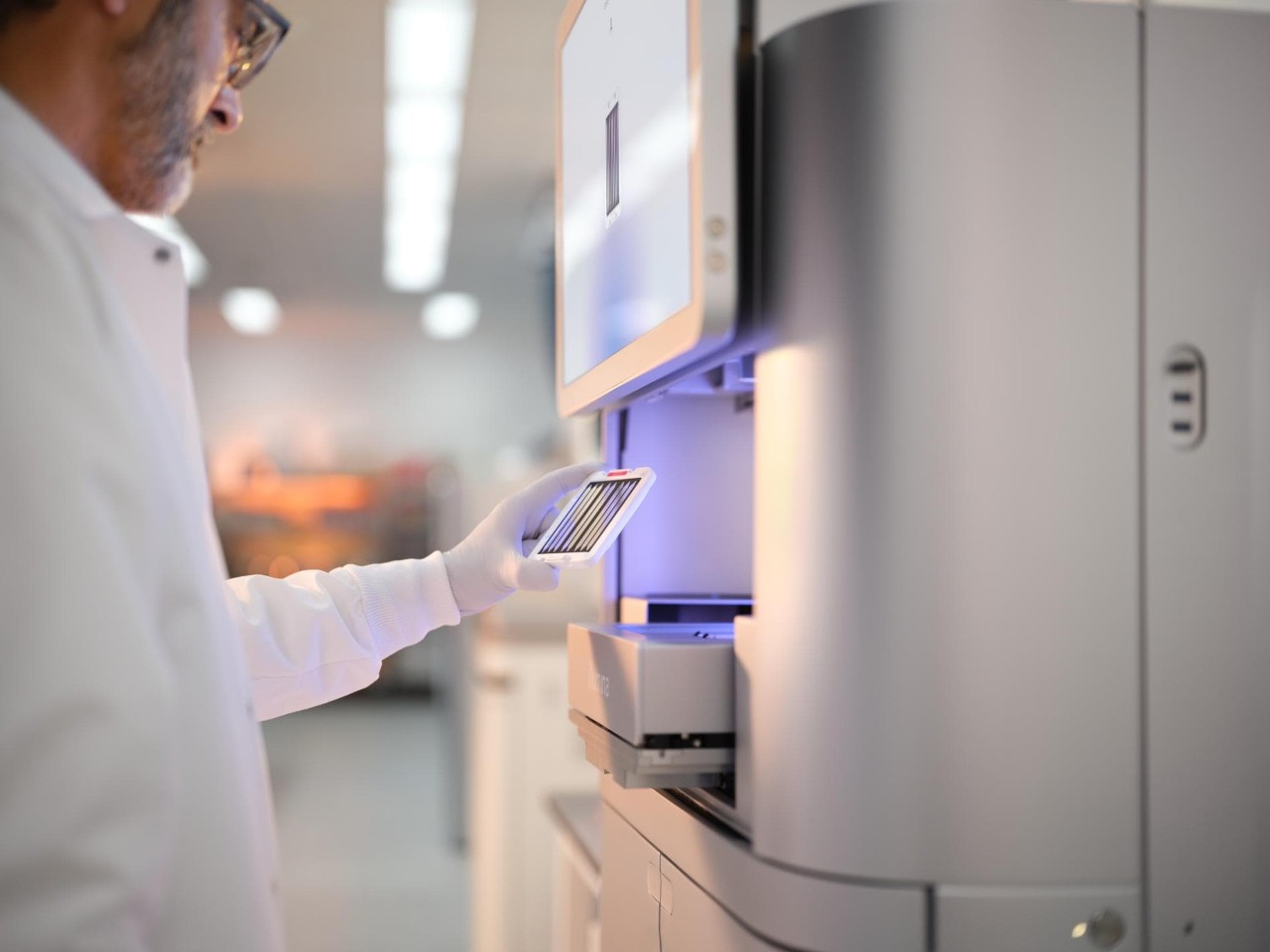
Compared with short indels (insertions and deletions) and single-nucleotide variants (SNVs), SVs affect a larger number of bases, which can impact regulatory architecture, gene dosage, and phenotype. Abnormalities in chromosomal structure are an important source of genetic variability with direct impacts on phenotypic variation and disease susceptibility.2 NGS enables researchers to detect breakpoints where the DNA is disrupted and breakends that represent one side of the breakpoint. The data gained from this detection capability are often used to help describe complex genomic rearrangements relating to rare diseases and cancer.3
Structural variants are detected across diverse sample types using NGS or microarray technologies, specialized SV callers, and established methods such as whole-genome sequencing (WGS), targeted sequencing, and chromosomal microarray analysis (CMA).4
| Method | Definition | Key benefits | Considerations for use |
|---|---|---|---|
| Whole-genome sequencing with proximity mapped read technology | Combines WGS with proximity mapped read technology enabling comprehensive, accurate, and simplified variant detection for novel insights | A simplified, on-flow cell library prep workflow that harnesses the ease and accuracy of short-read sequencing to resolve difficult-to-map regions of the genome, improve SV detection, and generate phased reads and variant calls | The use of proximity information allows for accessible and accurate mapping of ambiguous genomic regions with a high degree of confidence compared to traditional WGS methods |
| Whole-genome sequencing (WGS) | Provides comprehensive sequence coverage of the genome, including coding and noncoding regions | Detects all variant types, including single nucleotide polymorphisms (SNPs), indels, copy number variation (CNVs), and balanced SVs | Provides a high-resolution view of the entire genome but requires more computational demand compared to targeted panels. While WGS data analysis may initially intimidate new users, intuitive NGS data analysis tools alleviate this concern. |
| Targeted sequencing | Uses enrichment or amplicon-based capture to isolate specific sequences, focusing on regions of interest such as gene panels or exomes | High sequencing depth and detection within specific regions of interests with fast turnaround and reduced data burden | Limited to SV detection within predefined target regions with gaps for breakpoints in repetitive or noncoding regions |
| Chromosomal microarray analysis (CMA) | Relies on hybridization of DNA samples to specific probes to detect the loss or gain of genetic material throughout the genome | Well-established method with high sensitivity for detecting large-scale CNVs like duplications and deletions | Unable to detect small indels, novel SVs, and balanced rearrangements (inversions and translocations), and are primarily used for analysis of known genomic regions |
Our high-throughput solutions support reliable structural variant detection, from library preparation to sequencing, data analysis, and interpretation. Proximity mapped read technology for SV detection combines enhanced mapping to resolve challenging variants and genomic regions with proven, scalable sequencing chemistry. Together, these capabilities help streamline SV analysis and interpretation with efficient, flexible solutions for diverse research studies, including genetic disease, oncology, multiomics, infectious disease, and population genomics.

Explore how proximity mapped reads technology maintains the link between the original long DNA template and short sequencing reads to enable enhanced detection of structural variants.
TruPath Genome provides a simple research workflow for generating a comprehensive human genome for resolving difficult-to-map regions, enhanced structural variant detection, and ultralong phasing.
NovaSeq X Series production-scale sequencing systems deliver a comprehensive, high-quality genome.
DRAGEN Germline is an accurate and efficient end-to-end (FASTQ to VCF) secondary analysis solution that improves the mapping of Illumina reads in difficult-to-map regions for whole genome, whole exome, and targeted panel NGS data.
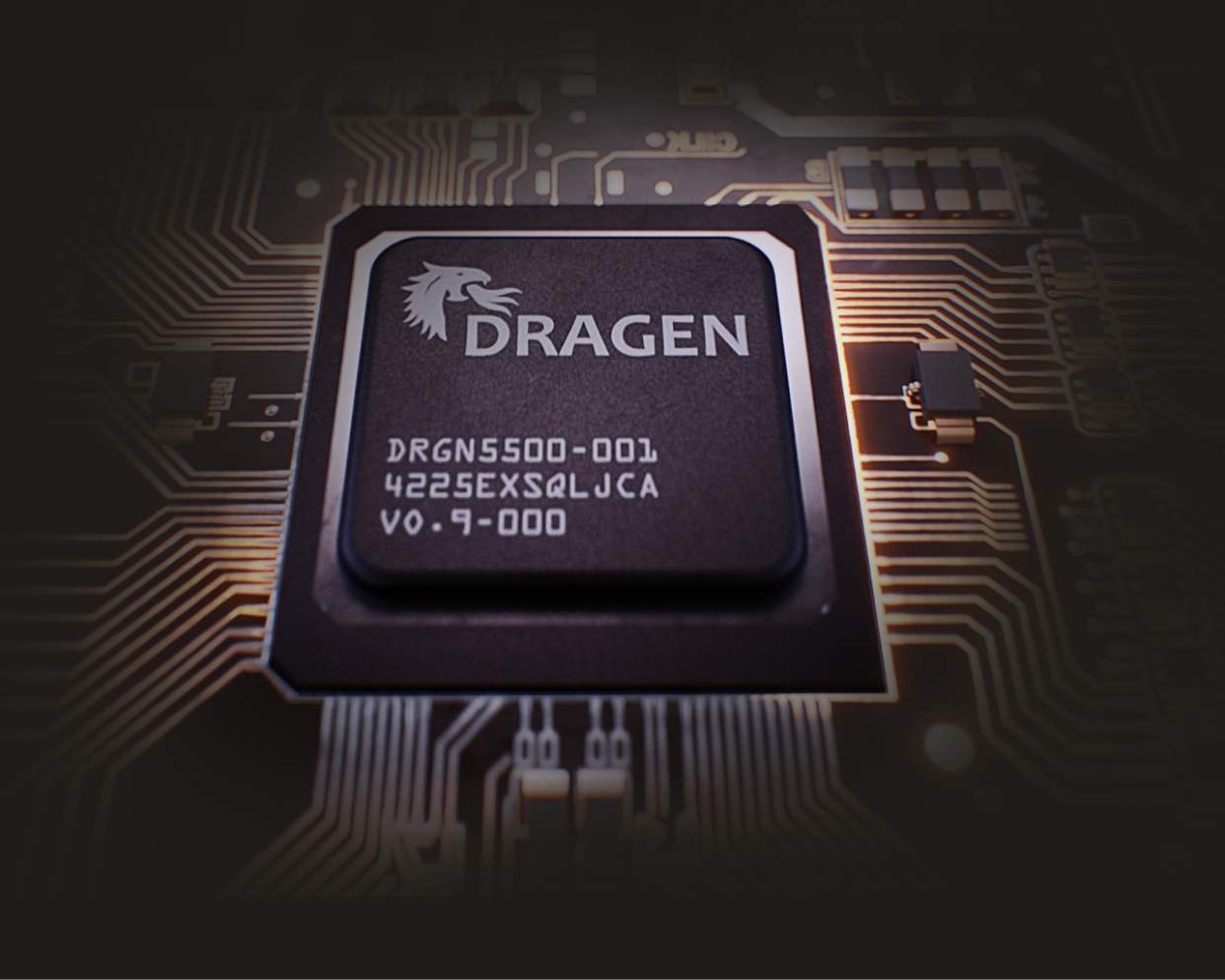
Traditional single-reference alignments can leave variants in complex or highly polymorphic regions of the genome undiscovered. DRAGEN multigenome aligns to multiple references, and when paired with scalable Illumina NGS systems, DRAGEN multigenome mapping improves resolution of difficult-to-map regions and increases the number of variants detected.5 Discover the latest DRAGEN secondary analysis advancements, from enhanced SV calling accuracy to streamlined, pushbutton analysis for oncology research.
Whole-genome sequencing for rare disease
Whole-genome sequencing (WGS) provides high coverage of the human genome to facilitate rare disease research.
Cancer whole-genome sequencing
Cancer WGS solutions, from library prep, sequencing, and data analysis, to help researchers detect SVs, chromosomal changes, somatic variants, and more.
Sequencing and informatics solutions to expand access to NGS technologies, generate large-scale genomic data sets, and drive innovation in health care.
A comparison of the Illumina NovaSeq X Series against the Ultima Genomics UG 100 platform for whole-genome sequencing.
All copy number variants are structural variants, but the structural variant family includes more than just changes in copy number. Deletions, insertions, and duplications are examples of copy number variants and represent a class of unbalanced structural variants as there is a resulting net gain or loss of genetic material. Balanced structural variants, such as inversions and translocations, do not change the total amount of DNA.6
Learn more about copy number variant analysis.
Structural variants are defined by the way that they alter the DNA within the genome with a minimum size of ≥ 50 bp in length. SV types include the following:
Yes, Illumina NovaSeq X Sequencing Systems, proximity mapped read technology, and DRAGEN secondary analysis bioinformatics pipeline that uses graph-based alignment and callers excel at SV detection.
Learn more about proximity mapped read technology.
Explore our NovaSeq X Sequencing Systems and DRAGEN secondary analysis with SV detection capabilities.
Structural variant detection is considered difficult because SVs range widely in size and configuration, resulting in varying read depth requirements depending on the SV type. Furthermore, SV callers differ in their precision and sensitivity. This combined variability of SVs and SV callers makes it challenging for sequencing and computational methods to detect SVs, especially using standard read depth–based approaches.7
Discover proximity mapped read technology, which leverages on-flow cell library preparation and novel informatics for enhanced SV detection.
Learn about DRAGEN secondary analysis pipeline to streamline your SV detection analyses.
Short-read sequencing offers a flexible, reliable method for performing high-accuracy whole-genome sequencing, but has struggled with specific regions and variant types such as SVs. Long-read sequencing methods offer read continuity across larger, more complex genomic regions and can help resolve SVs, but tend to have laborious workflows with well-established accuracy challenges that lead to variable results.8–11
Proximity mapped read technology allows researchers to harness the ease and accuracy of short-read sequencing to improve SV detection and resolve other difficult-to-map regions of the genome.
Talk to an expert to learn more about structural variant detection solutions.